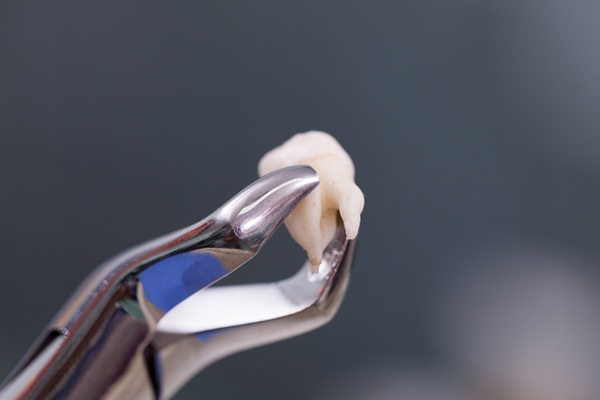
Who Needs a Wisdom Tooth Extraction?
can induce anxiety in some; however, the procedure is needed in order to prevent issues from developing. In some scenarios, the eruption of the wisdom teeth does not lead to any issues, which means extraction may not necessarily be required. However, most people do experience problems relating to the eruption of their wisdom teeth. Keep reading to find out who may need extraction.
The need for wisdom tooth extraction
Outlined below are a few examples of those who may need a wisdom tooth extraction. This information can be very useful to someone who may not know whether or not their wisdom teeth should be removed.
Pain
If and when wisdom teeth eruption results in pain or discomfort, it is highly advised to undergo an extraction. Wisdom teeth eruption does not always go smoothly, and more often than not, the result is sharp, chronic pain. Additionally, some experience dull pain, which feels more like soreness. Regardless of the type of pain, it is not realistic to live with it. And, the pain usually represents a problem, thus resulting in a need for extraction.
Impaction
Those who experience impaction will definitely need a wisdom tooth extraction. Impaction is when a tooth gets stuck beneath the gums and behind the other existing teeth. It can be very dangerous to the soft and hard tissues of the mouth, which can lead to serious problems, such as infection, pain, and inflammation. In the event that an impacted wisdom tooth gets ignored or put on the back burner, the result can require multiple oral surgeries.
Crowding
An individual who is experiencing crowding as a result of their wisdom teeth erupting should undergo an extraction. The wisdom teeth erupting can push the other existing teeth in all directions, which can lead to problems.
Crowding can be extremely detrimental to the oral cavity as it can result in a shift in the existing adult teeth. Shifting can lead to decay. If the teeth shift so much that certain ones go in front of the other, or behind, there is a higher chance that food debris will get stuck, thus resulting in bacterial growth.
The help of a general dentist
When needing a wisdom tooth extraction, it is best to start by consulting with a general dentist. While it may be surprising to visit a general dentist, it is actually in the patient's best interest. General dentists undergo extensive training in all things related to the oral cavity, including the eruption of wisdom teeth. They are able to determine the best plan of action when it comes to extraction. For example, it is sometimes necessary to wait it out, while other times the need to extract is pressing.
Call our office to learn more
Ultimately, a consultation appointment will help the patient, whether it is getting wisdom teeth extracted immediately or reducing discomfort intermittently until the extraction is performed. To find out more about wisdom tooth extraction, reach out to our Morgantown office today. We look forward to hearing from you.
Request an appointment here: https://www.gilkersondental.com or call Gilkerson Family Dentistry at (681) 253-3421 for an appointment in our Morgantown office.
Check out what others are saying about our dental services on Yelp: .
Related Posts
Patients comparing implant crowns and traditional crowns often want a clear, practical explanation. Implant-supported crowns replace a missing tooth by attaching to a dental implant, which functions as an artificial tooth root placed in the jawbone. Traditional crowns cover and reinforce an existing natural tooth after decay, fracture, or a large filling. Both restore shape,…
When you have severe pain or unexpected dental trauma, getting emergency dentistry should be your first priority. If you experience sudden tooth pain, a general dentist is usually the go-to provider. Many people worry that their regular dental office cannot handle urgent issues. However, general dentists have the tools and training to treat serious oral…
A high-quality dental implant restoration provides a stable and beautiful way to complete a smile, yet even the most durable materials eventually show signs of daily wear. While the metal post often remains a permanent part of the jaw, the restoration can age, chip, or loosen over several years. Recognizing the warning signs below helps…
If you properly care for your partial dentures, hopefully, they will last a long time. However, as with anything, they will break with enough wear-and-tear or accidental trauma. It’s essential to know at what point you should get them repaired. We will go through common issues that may arise with your dentures and the associated…