Implant-Supported Dentures: What They Are and How They Work
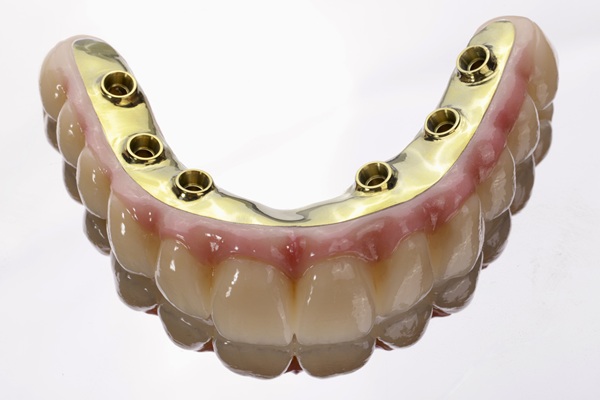
Implant-supported dentures provide a stable, functional, and natural-looking option for individuals seeking an advanced tooth-replacement solution. These restorations rely on dental implants for support, offering improved comfort and performance compared to traditional removable dentures. The following guide will walk you through implant-supported dentures and what you can expect through the treatment process.
What are implant-supported dentures?
Implant-supported dentures are prosthetic teeth anchored by titanium implants placed within the jawbone. Unlike traditional dentures that rest on top of the gums, this option connects securely to implant posts. The enhanced stability allows improved chewing efficiency, clearer speech, and a more natural-feeling bite.
Types of implant-supported dentures
There are two types of implant-supported dentures: fixed and removable. The choice depends on several factors, such as the patient's jawbone health, medical history, and personal preferences.
Fixed implant-supported dentures
A fixed denture, also known as a hybrid denture, attaches permanently to dental implants in the patient's jawbone. They cannot remove it on their own at home. However, the dentist can remove it for maintenance and cleaning during checkups and follow-up appointments. The patient can brush the fixed dentures just as they would their natural teeth. They can also clean underneath them using floss threaders, interproximal brushes, and other special cleaning tools.
Removable implant-supported dentures
This type of denture snaps onto dental implants in the patient's jawbone. It stays securely in place until they are ready to remove it. With removable implant-supported dentures, the patient can remove their dentures as needed for convenient cleaning, which can contribute to better overall oral health.
Benefits of implant-supported dentures
Implant-supported dentures offer several advantages over traditional dentures. Commonly cited benefits include:
- Comfortable and secure
- Prevents bone loss in the jaw
- Look and function like natural teeth
- Restore oral health and appearance
- Last longer than traditional dentures
The treatment process
The treatment process for implant-supported dentures involves several key stages. It begins with a thorough initial assessment with an experienced dental professional, including examinations and advanced imaging, to evaluate the patient's oral health. This information guides the precise planning of implant placement and denture design, ensuring the best possible outcomes for the patient's needs and treatment goals.
Then, the dentist will place the implants into the jawbone. The number of implants will depend on the number of teeth that the patient is looking to replace. It may range anywhere from four to eight, depending on the location of the missing teeth and the amount of the healthy bone tissue.
Before the dentist places the permanent restoration, the implants will need to heal and fuse with the jawbone. This process, known as osseointegration, can take 3-6 months. Once healed, the dentist will take final impressions of the patient's mouth to fabricate the final restoration. Finally, the patient will return to have the fixed prosthetic attached to the implants. This design helps prevent slipping, shifting, or uncomfortable pressure points that can occur with traditional dentures.
Call our office to learn more
Implant-supported dentures provide a strong and natural-looking solution for extensive tooth loss. With improved stability and long-term oral health benefits, they offer an advanced alternative to traditional dentures. Would you like to learn more about implant-supported dentures? Call our Morgantown office to schedule a consultation and see if you are a candidate.
Request an appointment here: https://www.gilkersondental.com or call Gilkerson Family Dentistry at (681) 253-3421 for an appointment in our Morgantown office.
Check out what others are saying about our dental services on Yelp: Implant Supported Dentures in Morgantown, WV.
Related Posts
If you properly care for your partial dentures, hopefully, they will last a long time. However, as with anything, they will break with enough wear-and-tear or accidental trauma. It’s essential to know at what point you should get them repaired. We will go through common issues that may arise with your dentures and the associated…
Patients comparing implant crowns and traditional crowns often want a clear, practical explanation. Implant-supported crowns replace a missing tooth by attaching to a dental implant, which functions as an artificial tooth root placed in the jawbone. Traditional crowns cover and reinforce an existing natural tooth after decay, fracture, or a large filling. Both restore shape,…
When you have severe pain or unexpected dental trauma, getting emergency dentistry should be your first priority. If you experience sudden tooth pain, a general dentist is usually the go-to provider. Many people worry that their regular dental office cannot handle urgent issues. However, general dentists have the tools and training to treat serious oral…
A high-quality dental implant restoration provides a stable and beautiful way to complete a smile, yet even the most durable materials eventually show signs of daily wear. While the metal post often remains a permanent part of the jaw, the restoration can age, chip, or loosen over several years. Recognizing the warning signs below helps…